


World Breast Cancer Research Day 2026: Advancing Awareness, Research, and Early Detection

Breast cancer continues to be a subject of concern for millions of individuals and families around the world. While research and technological advances occur every year, improving our ability to diagnose and treat this condition and enhancing survival rates, continued research remains essential to fight and beat this disease. That’s why World Breast Cancer Research Day 2026 serves as an important reminder of the progress made, and a call to action to push even further.

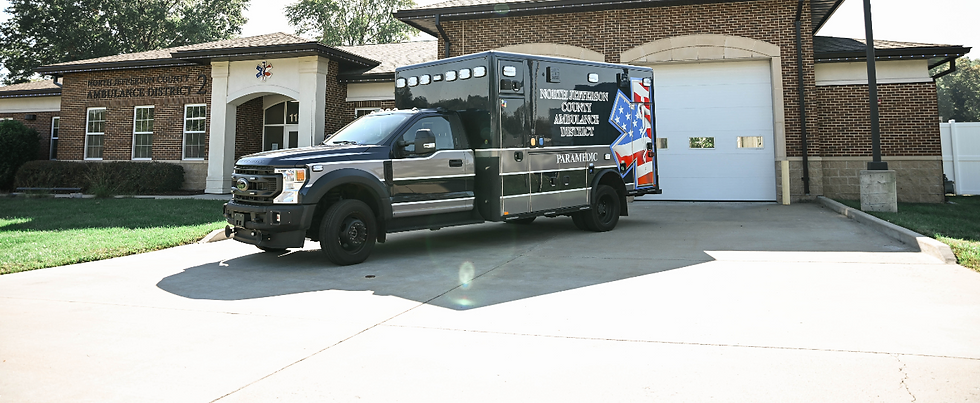
For communities like those within the North Jefferson County Ambulance District, raising awareness about breast health is crucial to protecting our neighbors' health and educating our residents about important women’s health issues. By providing comprehensive public health education on breast cancer and public resources for preventive care, we can help at-risk individuals recognize the signs, understand their screening options, and take proactive steps to improve their health.
What Is World Breast Cancer Research Day?
This public awareness day shines a light on the critical role of cancer research in understanding the disease, developing innovative treatments, and improving patient outcomes. It recognizes researchers, healthcare professionals, survivors, caregivers, and communities working together to reduce the impact of breast cancer.
Breast cancer research focuses on many areas, including:
Understanding the causes and risk factors associated with breast cancer
Developing improved screening and diagnostic tools
Creating more effective and personalized treatments
Studying ways to prevent breast cancer
Improving the quality of life for patients and survivors
The discoveries made through breast cancer research have transformed how healthcare providers identify and treat the disease. Continued investment in research allows scientists and medical professionals to discover alternative approaches that may save more lives in the future.
The Importance of Breast Cancer Research
Breast cancer research holds immense importance that cannot be overstated. Research provides the foundation for medical advancements that have changed breast cancer from a disease with limited treatment options into one where many patients have improved chances of recovery.

Researchers continue to study how breast cancer develops, why some cancers grow faster than others, and how treatments can be tailored to individual patients. These efforts help healthcare providers offer more targeted therapies while reducing unnecessary side effects.
In addition to developing new and potentially effective treatments, cancer research also improves the public’s understanding and awareness of this condition and its impact on individuals in their communities. As we learn more about breast cancer risk factors, warning signs, and prevention strategies, communities become better equipped to make informed health decisions.
How Breast Cancer Research Saves Lives
Understanding how breast cancer research saves lives begins with recognizing the connection between scientific discoveries and everyday healthcare.
Research has contributed to:
Earlier and more accurate breast cancer detection methods
Better understanding of genetic and environmental risk factors
Improved treatment options
More effective patient care plans
Increased survival rates
Decades of research have helped healthcare providers identify breast cancer cells and symptoms before the disease can progress to a critical state, allowing healthcare providers to treat it sooner and more successfully. Continued research ensures that the children within our communities and their children after them benefit from even better tools, therapies, and prevention strategies.
The Benefits of Early Breast Cancer Detection
One of the most important messages during World Breast Cancer Research Day 2026 is the value of early detection. The benefits of early breast cancer detection include more treatment options, improved outcomes, and the opportunity to address cancer before it becomes more advanced.

Many breast cancers are easier to treat when discovered early. Regular screenings, awareness of changes in breast health, and communication with healthcare providers all play important roles.
People should pay attention to changes such as:
A new lump or thickening in the breast or underarm
Changes in breast size or shape
Unexplained pain in the breast area
Changes in skin texture or appearance
Nipple changes or unusual discharge
While these symptoms do not necessarily always mean cancer, you should always discuss them with a healthcare professional.
How Can Breast Cancer Be Detected Early?
Early detection is an essential part of effective breast cancer treatment, and typically involves a combination of awareness, clinical care, and proactive screening to catch the signs before they can progress to a dangerous stage. Effective methods of early breast cancer detection include:
Mammograms
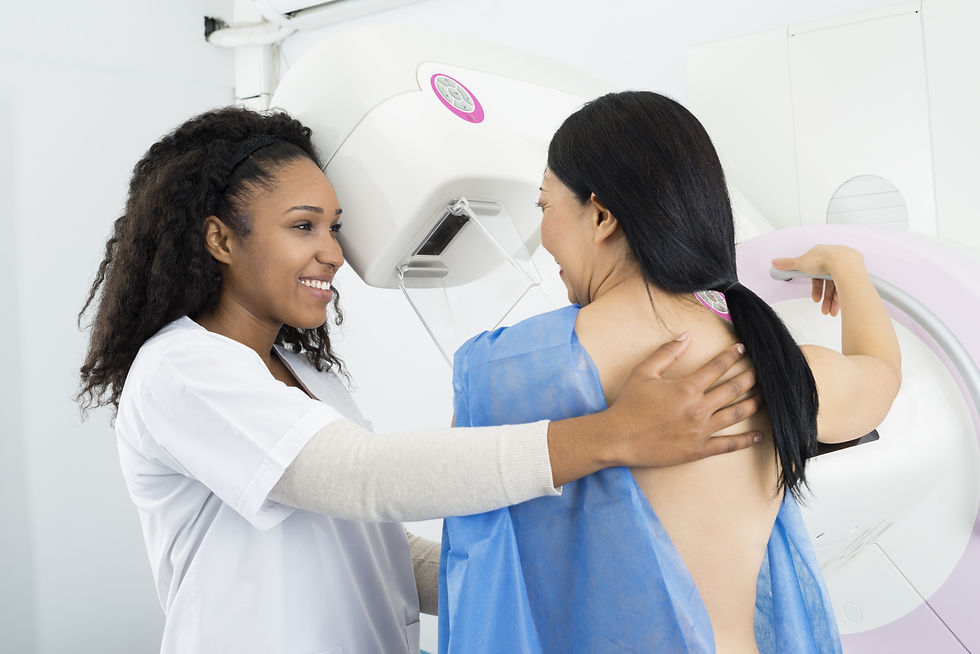
Mammograms are an essential part of women’s healthcare. It is a detailed imaging test that, depending on the machine, can sometimes use AI to detect changes in breast tissue before symptoms appear. Healthcare providers use mammograms as an important screening tool for many individuals.
Clinical Breast Exams
Healthcare professionals may perform breast exams during well-woman visits to look for changes that require additional evaluation.
Promoting Breast Self-Examination Awareness
Breast self-exam awareness encourages individuals to become familiar with how their breasts normally look and feel by conducting their own self-assessments at least once a month. Knowing what is normal for your body makes it easier to notice changes and discuss concerns with a healthcare provider.
Self-awareness is not a replacement for recommended screenings, but it is an important part of paying attention to your personal health.
Who Is at Risk for Breast Cancer?
Another important question is, “Who is at risk for breast cancer?” Breast cancer can affect people with different backgrounds and health histories. Understanding risk factors that you cannot change with lifestyle shifts can help individuals make informed decisions.
Risk factors may include:
Increasing age
Family history of breast or ovarian cancer
Certain inherited genetic changes
Previous breast conditions
Hormonal factors
Lifestyle factors
Having a risk factor does not mean someone will develop breast cancer, and some people diagnosed with breast cancer have no known risk factors. This is why awareness and proactive screening are important for everyone.
How Often Should Women Get Screened for Breast Cancer?
Many individuals ask, “How often should women get screened for breast cancer?” Screening recommendations can vary depending on age, personal health history, family history, and individual risk factors.
Women should talk with their healthcare provider about the screening schedule that is right for them. A personalized approach helps ensure that screening decisions are based on individual needs rather than a one-size-fits-all recommendation.
Regular healthcare visits provide an opportunity to discuss:
Breast cancer risk
Screening options
Family history
Preventive health strategies
What Can You Do to Lower Your Breast Cancer Risk?
A key question during breast cancer awareness efforts is, “What can you do to lower your breast cancer risk?” Although we cannot currently prevent every case of breast cancer, making healthy choices and taking advantage of regular healthcare can support overall wellness and greatly reduce your risk of developing breast cancer.
Steps that may help include:
Maintaining a healthy weight
Staying physically active
Limiting alcohol consumption
Avoiding tobacco products
Eating a balanced diet
Understanding personal risk factors
Following recommended screening guidelines
Small health decisions made consistently over time can contribute to better overall well-being.
Supporting Missouri Breast Cancer Awareness
Communities across Missouri continue to support efforts focused on education, prevention, and access to healthcare resources. Missouri breast cancer awareness helps ensure individuals understand the importance of screenings, early detection, and conversations about breast health.
Organizations like the North Jefferson County Ambulance District play an important role in community health education by sharing information that encourages residents to take preventive health seriously. Emergency medical services are not only there during emergencies—they are also part of a larger community health network focused on improving lives.
Through outreach, education, and partnerships, communities can help ensure that important health messages reach more people.
North Jefferson County Ambulance District Is Continuing the Fight Through Education and Research
World Breast Cancer Research Day reminds us that progress happens and continues only when communities stand together to support ongoing cancer education, research, and research-backed preventive care. Every advancement in treatment and detection began with research, and there is still so much left to learn before we have a cure.
Breast cancer alters the lives of countless families within our communities and across the country, but learning everything we can about this disease can mean the difference between life and death. Through continued breast cancer research, improved women’s health education, and a commitment to early detection, we can support a healthier future for everyone.

North Jefferson County Ambulance District encourages community members to stay informed, speak with healthcare professionals about breast health, and share awareness with others. Together, education and research help create a stronger, healthier community. Contact us today to learn more about how you can support this essential research.


Comments