


Summer Swimming Safety: How to Keep Your Family Safe Around Water

Summer is the ideal time of year to relax at the pool, spend a day at the lake, or enjoy the beach with family and friends. While water is a big part of many people’s summer plans, it’s important to remember that water can become dangerous in an instant. By taking the time to learn and understand basic water safety principles, you can help prevent accidents and ensure that you and your loved ones can enjoy the water safely this summer.

Swimming Safety Tips
Whether you're beating the summer heat at a community pool, exploring nearby lakes or rivers, or planning a trip to the coast, taking a few precautions can help reduce the risk of your day on the water ending in tragedy:
Always supervise children around water, even if lifeguards are present.
Wear a U.S. Coast Guard-approved life jacket when appropriate.
Avoid swimming during storms or when lightning is nearby.
Stay hydrated and take breaks to avoid heat-related illnesses.
Never swim under the influence of alcohol or drugs.
Follow posted safety signs and warnings at all swimming locations.
It’s crucial that our residents understand that every body of water presents different risks, and it's critical they understand the risks before heading into the water.
Ocean swimming safety for all ages
The beach draws thousands of visitors to its shores in the warm summer months, but it also presents a range of unique risks, which can be avoided with these simple tips:
Swim only at beaches with lifeguards whenever possible.
Check local weather, surf conditions, and warning flags.
Never turn your back on the waves.
Keep children within arm's reach in the water.
Watch for changing tides, large waves, and marine life.
Even experienced swimmers can become overwhelmed by ocean currents, so we advise our residents to remain alert to changing conditions during their visit to the beach.
Rip current safety guidelines
Rip currents are powerful channels of water that flow away from the shore and can quickly pull swimmers away from the beach. If you're caught in a rip current, you need to:
Stay calm and avoid fighting the current.
Swim parallel to the shoreline until you're out of the current.
Once free, swim at an angle back toward the shore.
If you can't escape, float or tread water and wave for help.

Our team of emergency personnel strongly recommends that parents teach their children what rip currents are and what to do before visiting the beach.
Lake safety tips
When swimming in a lake:
Enter the water only in designated swimming areas.
Be cautious of sudden drop-offs and uneven bottoms.
Watch for boats, personal watercraft, and fishing lines.
Avoid diving into unfamiliar water.
Wear a life jacket when boating or swimming in deep water.
Natural lakes can also have colder temperatures, which increases the risk of muscle cramps and fatigue.
River swimming safety guide
Rivers are often more dangerous than they appear because of moving water and hidden obstacles. You can stay safe on the river by:
Avoid strong currents and fast-moving water.
Stay away from dams and low-head dams.
Watch for submerged rocks, logs, and debris.
Do not dive into rivers unless the designated area for diving is clearly marked.
Wear a life jacket whenever swimming or floating in a river.
Swimming Safety for Kids
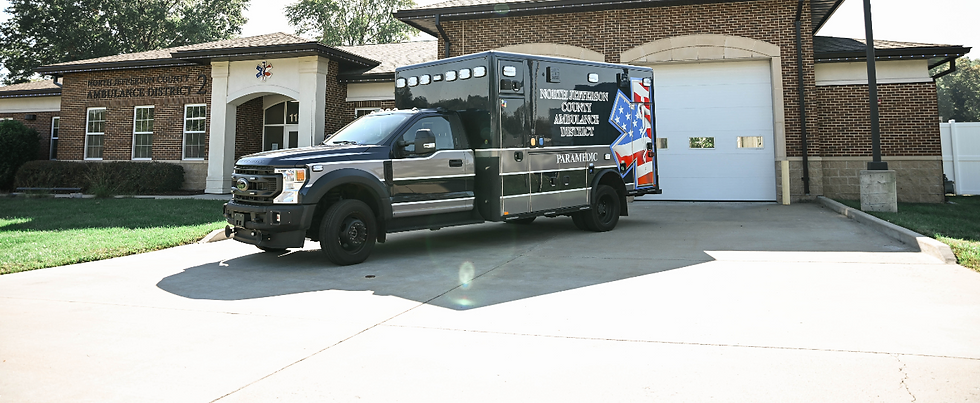
Water is an exceptionally dangerous element, especially for children. All children require constant supervision around water, regardless of whether they know how to swim; drowning can happen quickly and quietly. At North Jefferson County Ambulance District, we recommend designating one responsible adult whose only job is actively supervising swimmers.
How deep should a child know how to swim?
Rather than focusing on a specific depth, children should develop swimming skills appropriate for the environments they'll encounter.
Before your next family vacation, your child should learn how to:
Float on their back.
Tread water.
Swim to the edge of the pool.
Exit the water safely.
Recognize when they're becoming tired.
Formal swim lessons help children build these skills, but lessons do not eliminate the need for adult supervision when they are swimming in pools, lakes, rivers, or the ocean.
Should children wear life jackets while swimming?

Yes—especially in open water. Regardless of their swimming ability, all children should wear properly fitted, U.S. Coast Guard-approved life jackets when:
Swimming in lakes or rivers.
Boating or kayaking.
Fishing from docks.
Playing near deep water.
It’s important that adults understand that inflatable toys, arm floaties, and pool noodles should never be considered life-saving devices or substitutes for approved life jackets.
Is swimming alone safe?
Regardless of age or swimming ability, no one should swim alone. Swimming with a buddy provides immediate assistance if someone becomes injured, fatigued, or experiences a medical emergency. Choose locations with lifeguards whenever possible, and let someone know where you’ll be if swimming in open water.
The Importance of Drowning Prevention
Drowning is one of the leading causes of accidental death among young children, but many incidents can be prevented by taking the necessary steps.
Effective drowning prevention includes multiple layers of protection, such as:
Constant adult supervision.
Swim lessons for children and adults.
Four-sided pool fencing with self-closing gates.
Life jackets in open water.
Learning CPR.
Removing toys from pools after use to discourage unsupervised access.
No single safety measure is enough on its own. Combining several protective strategies creates the safest environment for everyone and ensures everyone can enjoy the water without fear.
What To Do If Someone is Drowning
If you believe someone is drowning:
Call 911 immediately or instruct someone nearby to do so.
Alert the lifeguard if one is on duty.
Reach or throw a flotation device if you can do so safely.
Avoid entering the water unless you're trained in water rescue.
Once the person is removed from the water, CPR may need to be administered if they're not breathing and continued until emergency medical personnel arrive.
Drowning often occurs silently, without shouting or splashing, making active supervision especially important.
Enjoy The Water Safely This Summer With North Jefferson County Ambulance District
Families create many fun summer memories around pools, lakes, rivers, and beaches, but safety should always come first. By utilizing the guidance outlined above, families of all sizes and ages can reduce their risk of water-related accidents.

The North Jefferson County Ambulance District encourages everyone to make water safety a priority this summer. Whether you're relaxing poolside, exploring Missouri's lakes and rivers, or heading to the coast, taking a few extra precautions can help ensure every day you spend on the water is fun and safe.
Contact us to learn more about how to keep yourself and your loved ones safe on the water.


Comments