


National Preparedness Month: How to Prepare Your Family for an Emergency

Emergencies can happen anywhere, anytime, with little to no warning, and can take many forms—severe weather, power outages, household accidents, or medical emergencies. While it’s not always possible to predict exactly when an emergency will occur, even with the convenience of modern technology, it is possible to always be prepared for one. That’s why, during National Preparedness Month, the North Jefferson County Ambulance District is proud to share our emergency preparedness tips designed to keep our residents and their loved ones safe year-round.

Each year, National Preparedness Month serves as a reminder to assess your preparedness for emergencies and encourages you to find ways your family or household can be more ready for emergencies. This can take many forms, such as:
Creating or refining a family emergency plan
Assembling an emergency supply kit
Practicing emergency routines, such as evacuation drills or emergency run-throughs
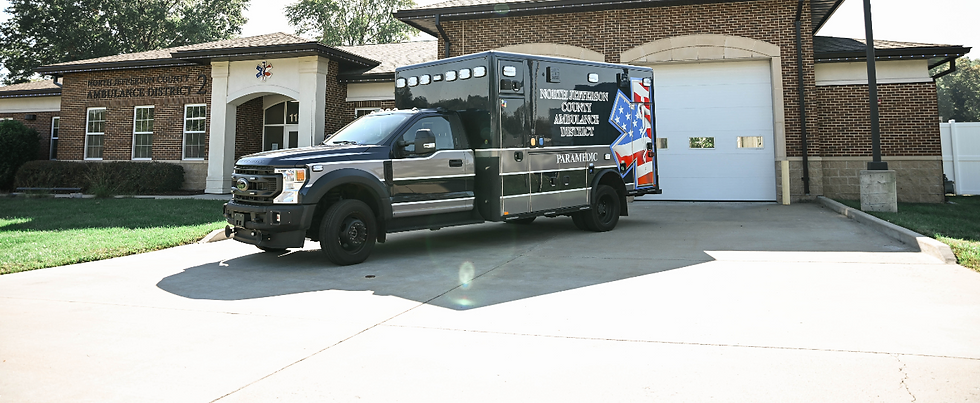
For families within High Ridge, MO, and the surrounding communities, understanding when and how to access and effectively utilize emergency medical services is a key part of emergency preparedness. Our team at the North Jefferson County Ambulance District is proud and committed to acting as a resource for our residents, providing essential emergency response services as well as key insights on how to prepare for a wide range of emergencies.
What Is National Preparedness Month?
National Preparedness Month is an annual observance designed to encourage individuals, families, businesses, and communities across the United States to prepare for various kinds of emergency situations. It demonstrates the importance of emergency preparedness as a skill and the strategies behind it.
Effective emergency preparedness involves several essential components:
You should know how your family will communicate
Where you will go if you need to leave your home
What supplies you may need
How to respond if someone experiences a medical emergency
Reviewing your emergency response measures regularly can also help ensure that contact information, medications, supplies, and emergency plans stay current.
National Preparedness Month is a great time to ask your household questions such as:
What would we do if we lost power for several days?
Where would we meet if we could not return home?
Who should we contact during an emergency?
Do we have enough food, water, and essential supplies?
Does everyone know how to call 911?
Would we know what to do if a family member became seriously ill or injured?
Having established answers to these questions can help you and your family members feel more prepared when an unexpected emergency occurs.
Create a Family Emergency Plan
One of the most important steps in emergency preparedness is creating a family emergency plan. This plan should account for a wide range of different situations and clearly explain what each member of your household should do.

Start by identifying potential emergencies that are specific to your area—severe storms, extreme temperatures, flooding, fires, etc.—then determine how your household would respond.
An effective and comprehensive family emergency plan will include:
Emergency contact information
A designated meeting location
Evacuation routes
Emergency shelter locations
Information about household members' medical needs
Contact information for family members who live elsewhere
Plans for children, older adults, and pets
Instructions for accessing important medications and medical equipment
Before this emergency plan ever needs to be implemented, it is essential that every member of the household understands the plan. We strongly encourage you to take the time to read and review your emergency plan and procedures with every member of your household to ensure they understand what is expected of them and how to respond promptly to an emergency.
It is also helpful to keep a printed copy of your plan in an easily accessible location. Phones and electronic devices are useful, but they may not be available during a power outage or other emergency. It is also extremely important that your emergency plan and procedures remain current, so any time there is a change in your lifestyle or household, it’s essential to find time to review and update your family emergency response plan.
Build an Emergency Supply Kit
Developing a reliable emergency supply kit that your family can utilize in the event of an emergency, such as a power outage where resources are limited, can help your family manage a wide range of immediate needs. A well-stocked emergency supply kit should contain basic supplies that can accommodate your family’s needs for several days, such as:
Emergency Kit Checklist
Drinking water
Nonperishable food
Flashlights
Extra batteries
Battery-powered or hand-crank radio
Phone chargers or backup power banks
Prescription medications
Essential medical supplies
Personal hygiene items
Blankets or warm clothing
Copies of important documents
Cash
Pet food and supplies
Basic tools
Whistle
Masks or other protective equipment
For example, families with infants may need formula, diapers, and baby supplies. Individuals who rely on medical equipment should consider how that equipment would be affected by a power outage and what backup supplies may be necessary.
Similar to your emergency plan, you should check your emergency supplies regularly. Replace expired food, batteries, medications, and other items as needed. Keeping your kit organized makes it easier to find what you need when every second counts.
Prepare for Medical Emergencies
Preparing for medical emergencies is another essential element of a comprehensive emergency preparedness plan. Since medical emergencies can happen anywhere, knowing how to respond can make a stressful situation feel more manageable. Make sure your family knows how to recognize medical emergencies that require immediate medical attention, like:

Serious injuries
Difficulty breathing
Chest pain
Loss of consciousness
Severe bleeding
and other potentially life-threatening symptoms
If you believe someone is experiencing a life-threatening emergency, call 911 and follow the dispatcher's instructions. Provide the location and clearly explain what happened, including any symptoms or injuries you observe. While waiting for emergency medical services, follow the instructions provided by the emergency dispatcher. Keep the area accessible for first responders and, if possible, have someone watch for arriving emergency personnel.
Families should also keep an up-to-date list of important medical information, including:
Current medications
Allergies
Existing medical conditions
Primary care provider information
Emergency contacts
Health insurance information
Medical equipment requirements
Place this information somewhere you can quickly access it during an emergency.
Know How to Access Emergency Response Services
Knowing how to access emergency response services is a fundamental part of being prepared in the event of any kind of emergency. In a serious emergency, calling 911 connects you with trained professionals who can help determine what assistance is needed and coordinate an appropriate response.
Ensure your family is prepared for an emergency by:
Teaching your children how and when to call 911—They should know their home address and understand that 911 is intended for emergencies requiring immediate assistance.
Demonstrating what to do when speaking with an emergency dispatcher—When calling 911, remain as calm as possible and provide the dispatcher with accurate information. Be prepared to answer questions about your location, the nature of the emergency, the condition of the person involved, and any immediate hazards.
Do not hang up until the dispatcher tells you it is okay to do so—Dispatchers may provide instructions to help you respond while emergency personnel are traveling to your location.
Make Emergency Preparedness a Family Habit
Emergency preparedness works best as an ongoing habit. To develop this habit, our team of experienced first responders strongly recommends that residents set aside time every few months to review and update their emergency supply kit and response plan, practice evacuation routes, and discuss what their family would do in different scenarios. You should also consider your household’s unique needs, such as medical issues, disabilities, mobility struggles, or equipment requirements that may require more thorough planning.
Contact North Jefferson County Ambulance District for More Safety Guidelines
National Preparedness Month is a reminder that preparedness starts at home. By creating a family emergency plan, building an emergency supply kit, learning how to respond to medical emergencies, and understanding how to access emergency medical services, you can take practical steps toward keeping your household safer and more prepared.
For more insights from our emergency response experts visit the North Jefferson County Ambulance District and learn more about emergency preparedness and emergency medical services offered in our district.


Comments